2026-02-18 19:09:17
Murano
At the end of the 13th century, Venice was a densely populated and wealthy thalassocracy, with houses, warehouses, and workshops built primarily of wood. The art of glassmaking had already begun to flourish there, as Venetians had brought techniques from Syria, Constantinople, and Alexandria following the Crusades and trade with the East.
However, the glassmakers' furnaces, which reached temperatures exceeding 1000°C, caused a series of fires in the narrow streets of Venice. A major fire in 1291 burned down a large part of the city and served as the catalyst for a radical decision: the Great Council of Venice issued a decree ordering all glass workshops to be relocated to the island of Murano.
Why Murano was chosen
Murano is located a short distance from Venice (about 1.5 km) and could be easily monitored by the authorities. It was already inhabited and had space for the installation of furnaces, while the surrounding water limited the risk of fire spreading. Thus, within a few years, all of Venice's glassmakers were settled in Murano.
The "Golden Age" of Murano
From the 14th century onwards, Murano became the official center of glassmaking in Europe. The Republic of Venice recognized the importance of this art and took measures to keep it exclusively under its control:
-
Social Status: Murano craftsmen were considered almost noble, enjoying privileges and high social standing.
-
Secrecy: However, they were strictly forbidden from leaving the island—if anyone attempted to reveal the secrets of their techniques abroad, they could be punished even by death.
-
Innovation: The craftsmen developed unique techniques, such as cristallo (the first clear glass in Europe) and millefiori (multicolored glass with flower-like patterns).
-
Exports: They created mosaics, stained glass, mirrors, glassware, and ornaments that were exported throughout Europe.
Murano's fame spread everywhere—it was the "workshop of the world" for Renaissance glass.
The Legacy
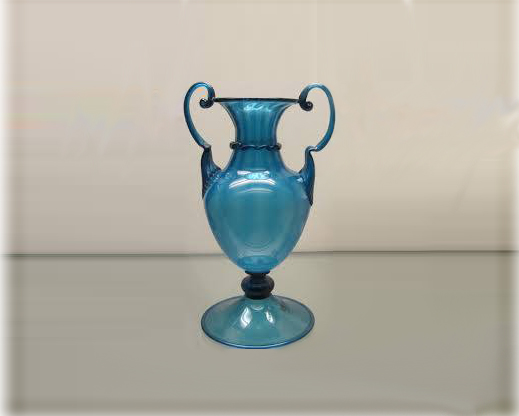
Even today, Murano's workshops continue to operate, often as family businesses using techniques passed down uninterrupted since the 13th century. The name "Murano glass" or "Vetro di Murano" is considered a hallmark of authenticity and craftsmanship.
This history is fundamental for anyone working with glass, as it demonstrates how tradition, innovation, and the need for safety shaped an art form that survives more than 700 years later.